Cart 0
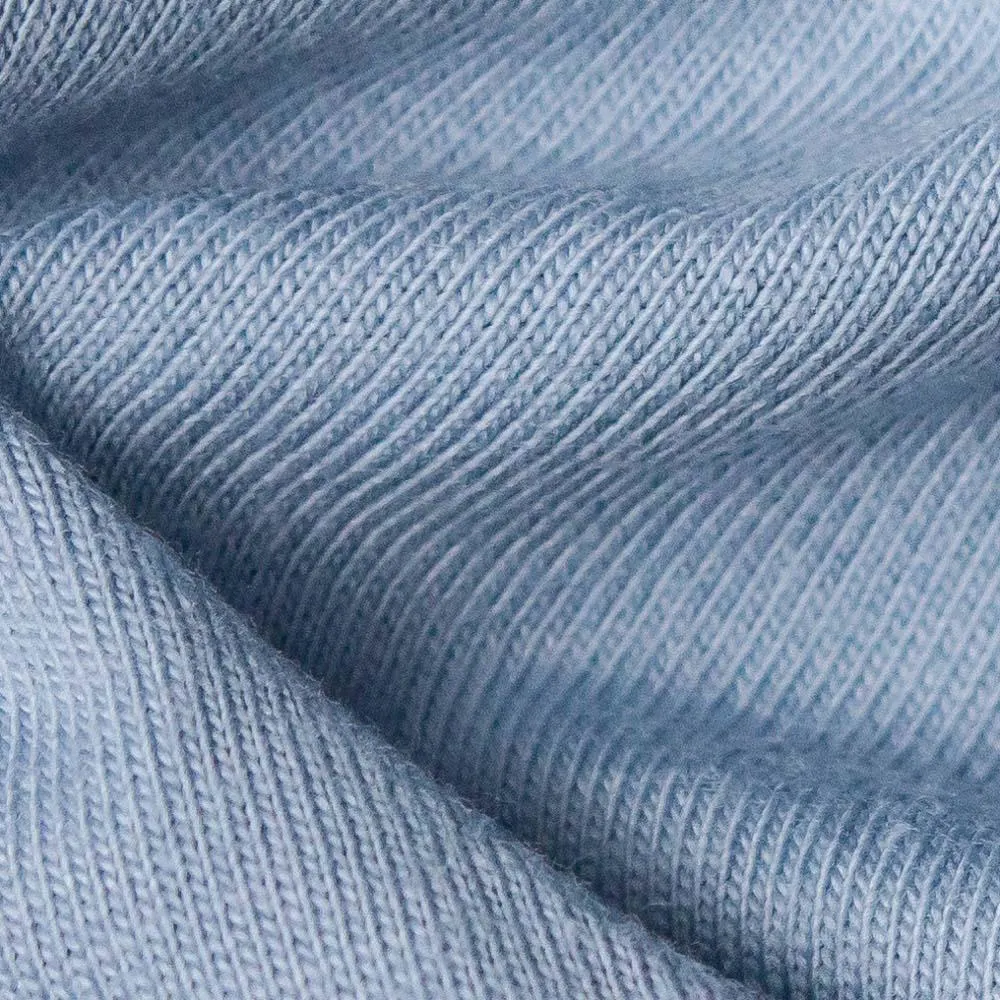
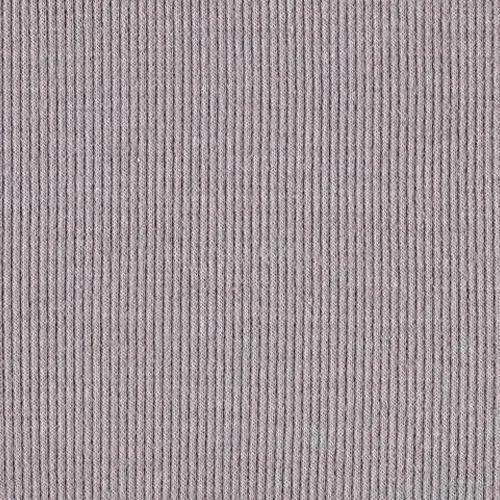
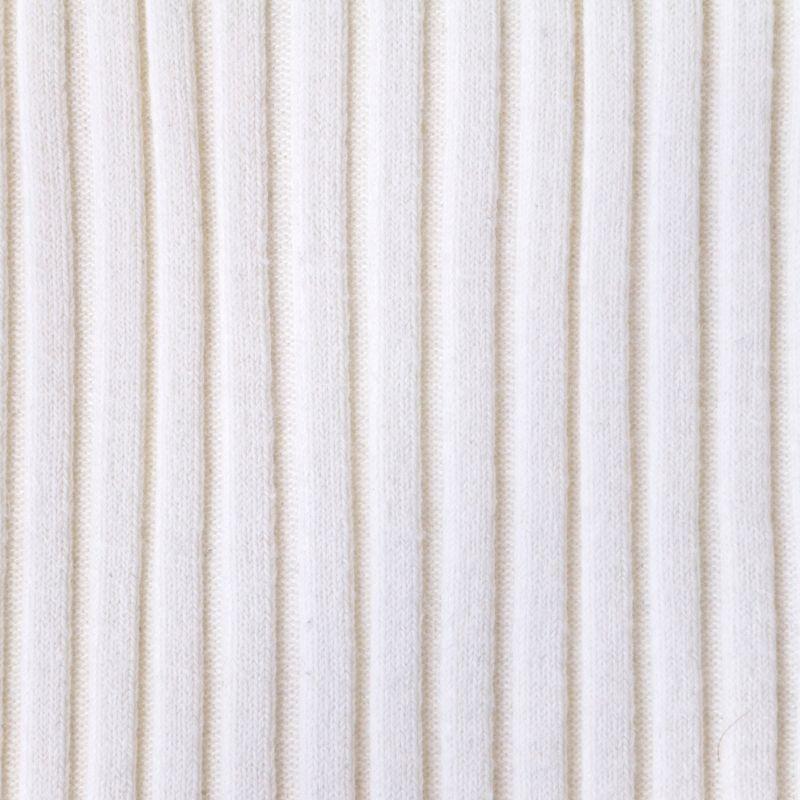
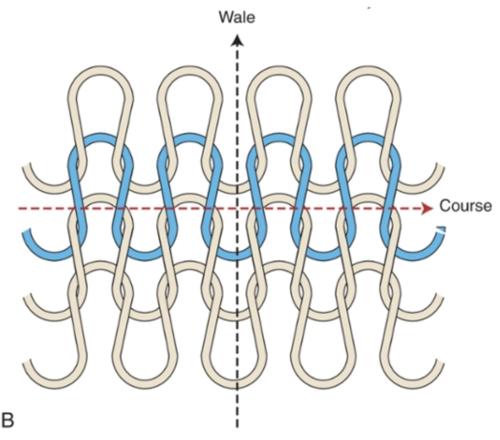
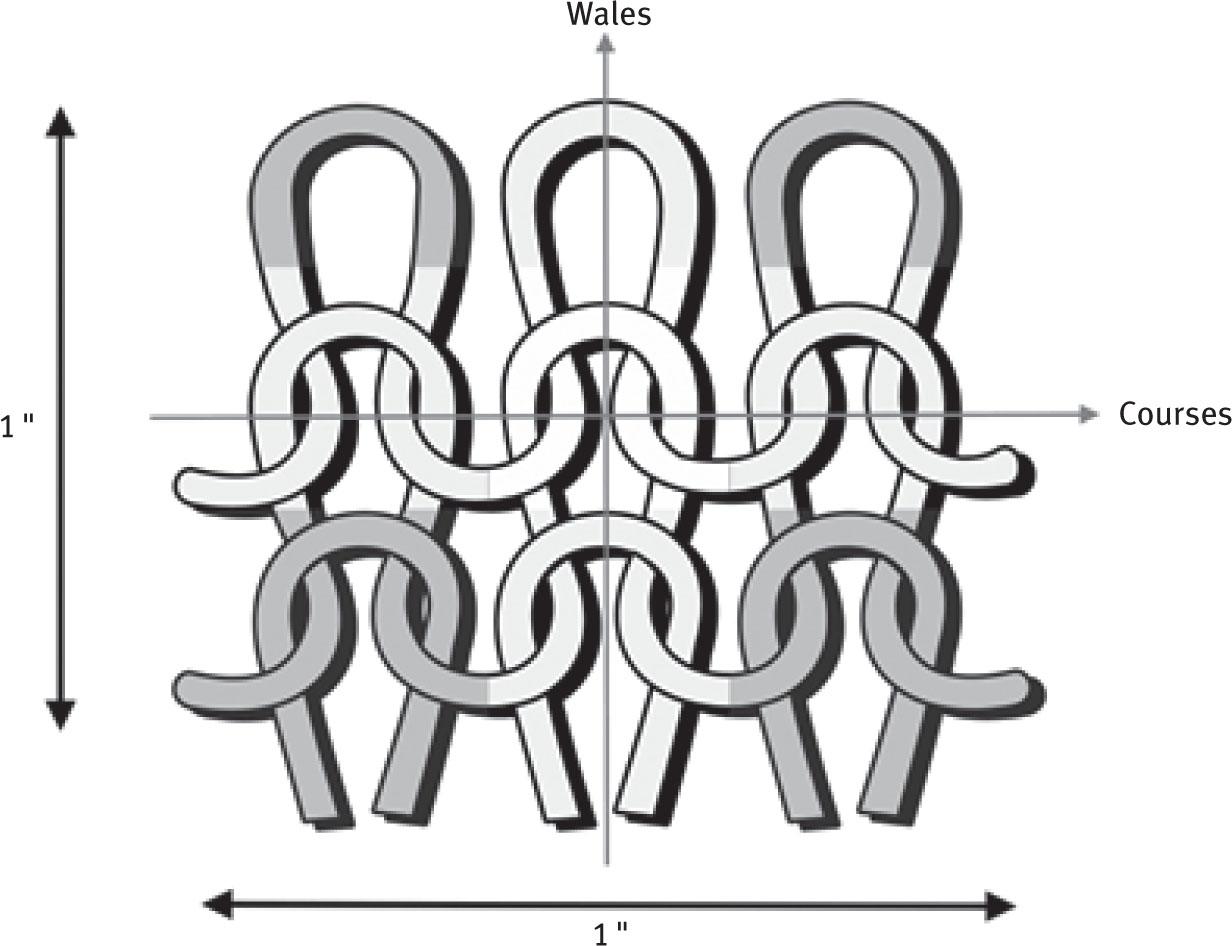
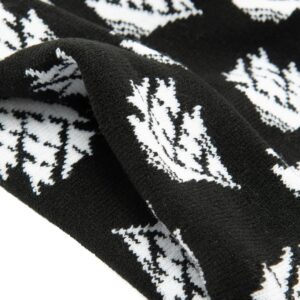
Knit fabric is a textile made by looping yarns together using knitting needles or machines. Unlike woven fabric, it does not use separate warp and weft yarns crossing over and under each other.
Common Types of Knit Fabrics
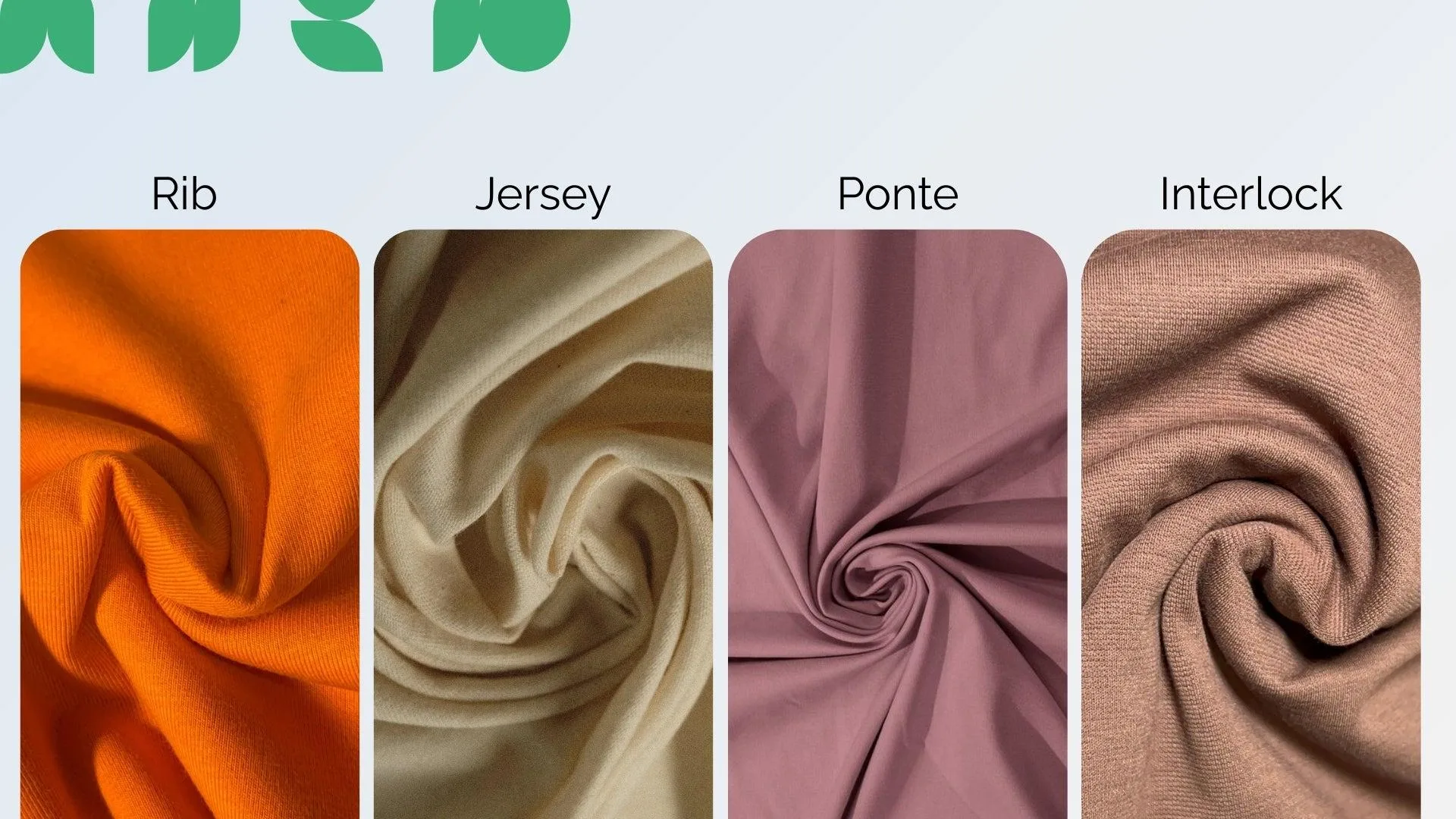
| Type | Characteristics | Common Uses |
|---|---|---|
| Jersey Knit | Soft, lightweight, stretchy | T-shirts, dresses |
| Rib Knit | Highly elastic, textured lines | Cuffs, collars, fitted clothing |
| Interlock | Smooth, thicker, stable | T-shirts, babywear, sportswear |
| Piqué | Textured surface, breathable | Polo shirts |
| French Terry | Soft with looped back | Sweatshirts, casualwear |
| Fleece | Warm and soft | Hoodies, jackets |
| Tricot | Smooth and durable | Sportswear, lingerie |
| Sweater Knit | Warm and relatively thick | Sweaters, cardigans |
Key Features
- Stretchable and flexible
- Soft and comfortable
- Good freedom of movement
- Generally more resistant to wrinkling
- Can be lightweight or heavy
- Suitable for casual and sports clothing
Common Applications
👕 T-shirts
👚 Dresses & tops
🏃 Sportswear
🧥 Sweatshirts & hoodies
👶 Babywear
🩲 Underwear & lingerie
🧦 Socks
Woven vs. Knit vs. Non-Woven
| Feature | Woven | Knit | Non-Woven |
|---|---|---|---|
| Construction | Interlaced yarns | Looped yarns | Bonded/entangled fibers |
| Stretch | Usually low | Usually high | Depends on material |
| Comfort | Good | Very good | Depends on application |
| Examples | Denim, poplin | Jersey, rib | Spunbond, felt |
| Common Uses | Shirts, trousers | T-shirts, sportswear | Masks, wipes, packaging |