Cart 0
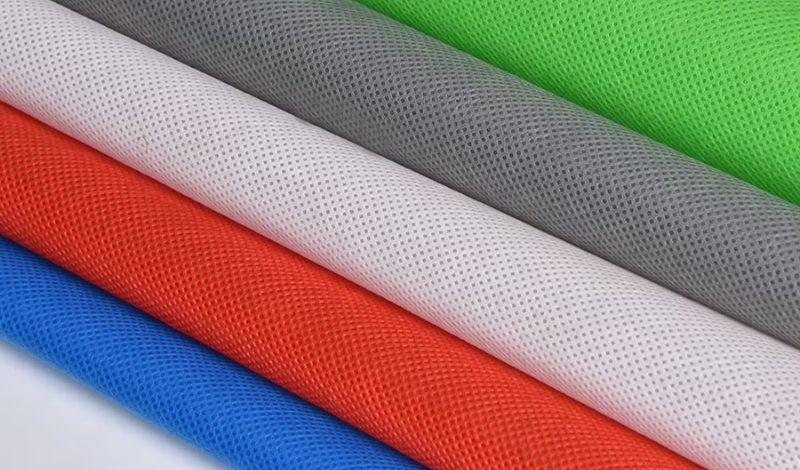
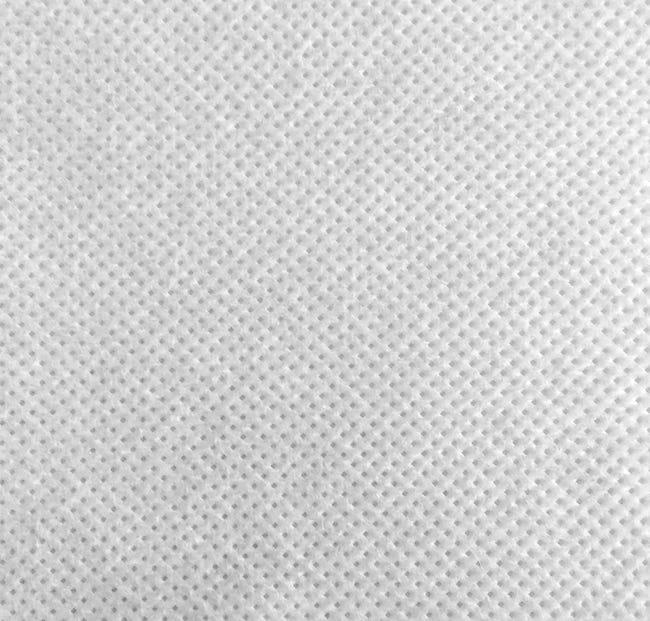
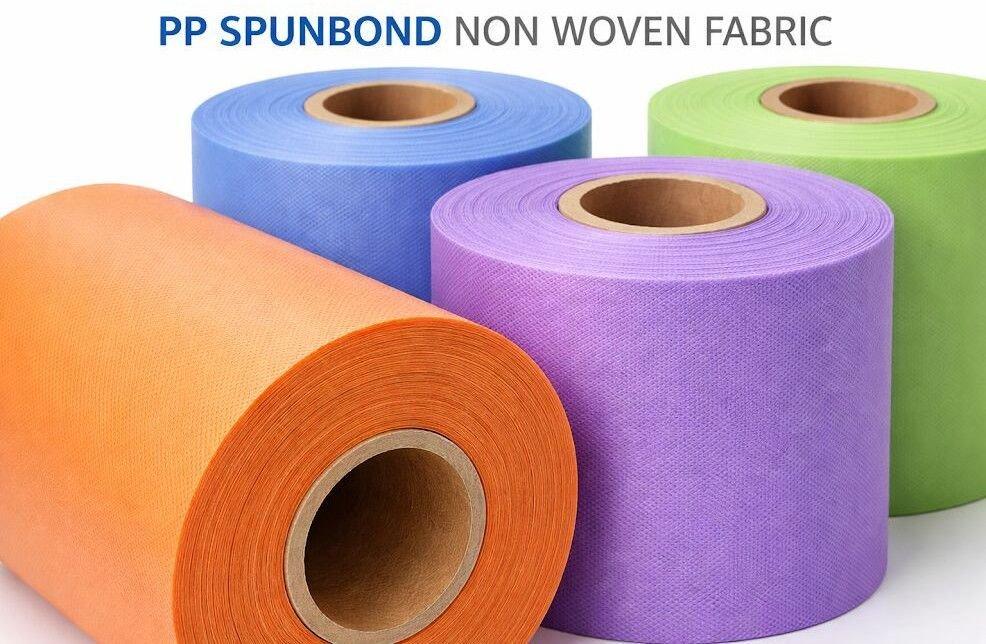
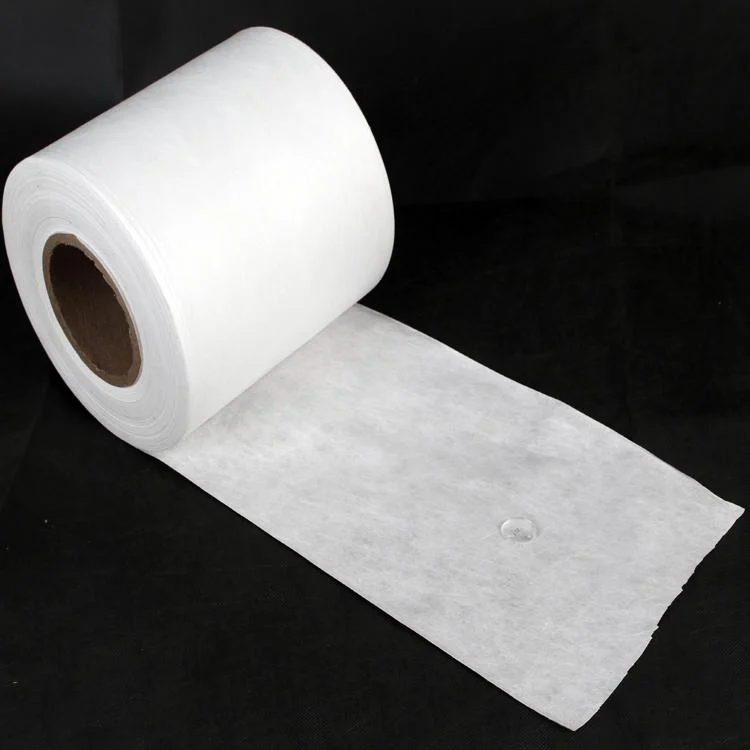
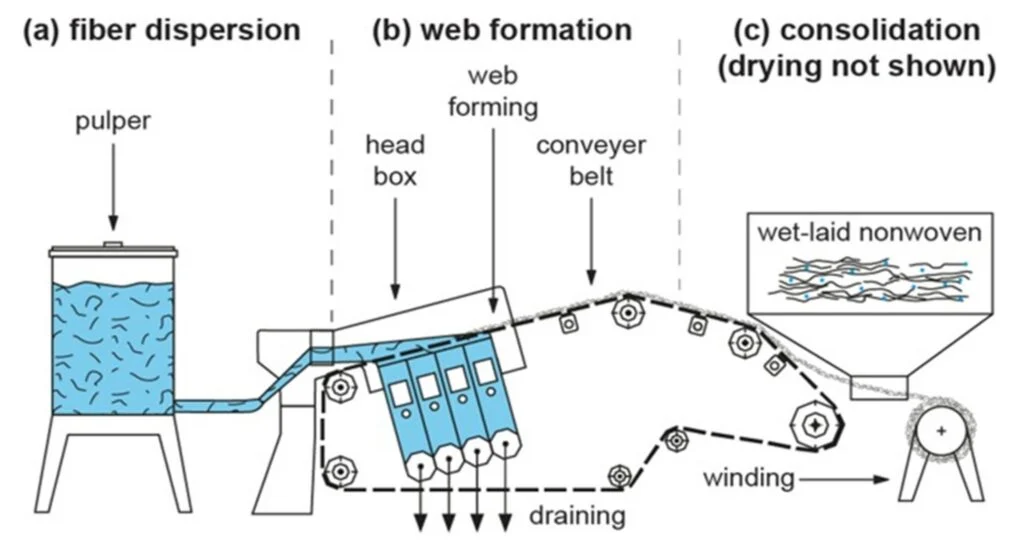
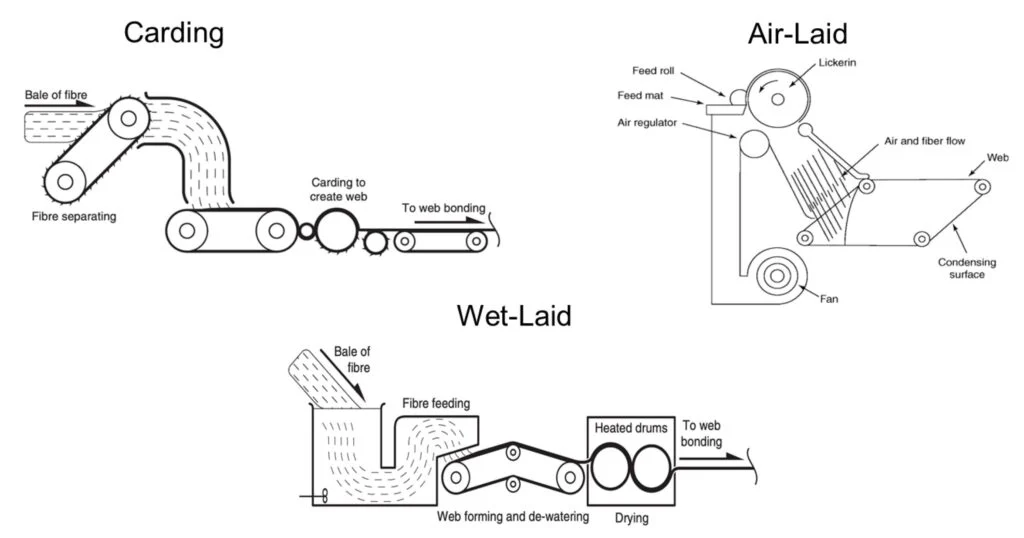
Non-woven fabric is a textile material made without weaving or knitting yarns together. Instead, fibers are bonded together using heat, chemicals, pressure, or mechanical methods.
Common Types of Non-Woven Fabrics
| Type | Characteristics | Common Uses |
|---|---|---|
| Spunbond | Strong, lightweight, breathable | Shopping bags, medical gowns, packaging |
| Meltblown | Very fine fibers, good filtration | Face masks, filters |
| Needle-Punched | Fibers mechanically entangled | Carpets, automotive materials, insulation |
| Felt | Dense and soft | Crafts, hats, padding |
| Spunlace | Soft, absorbent | Wet wipes, cleaning wipes |
| Thermal-Bonded | Fibers bonded using heat | Hygiene products, padding |
| Chemical-Bonded | Fibers bonded with adhesives | Interlining, industrial materials |
Key Features
- No traditional weaving or knitting
- Lightweight and versatile
- Can be water-resistant or absorbent
- Can provide filtration
- Easy and economical to manufacture
- Available in different thicknesses and strengths
Common Applications
Medical: Masks, surgical gowns, disposable caps
Hygiene: Diapers, sanitary products, wipes
Fashion: Interlining, padding, garment accessories
Packaging: Shopping bags, protective packaging
Automotive: Interior materials and insulation
Home: Carpets, mattress materials, furniture padding
Woven vs. Non-Woven
| Woven Fabric | Non-Woven Fabric |
|---|---|
| Made by interlacing yarns | Made by bonding/entangling fibers |
| Uses warp & weft | No warp & weft |
| Usually stronger structurally | Strength depends on bonding method |
| Often reusable | Many types are disposable |
| Example: Denim, cotton shirt fabric | Example: Spunbond, felt, meltblown |